
Harsha,
- Student, Departent of Biotechnology, Jain (Deemed-to-be University), Bengaluru, Karnataka, India
Abstract
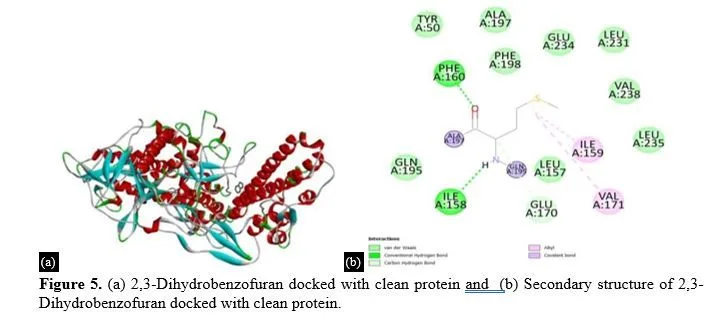
Objective: Tetanus toxin (TeNT) is a neuroprotein toxin, the most toxic known. They have three functional domains and are structurally similar. They possess an N-terminal catalytic section (light chain), an internal domain for heavy-chain translocation (HN domain), and a C-terminal receptor binding domain for the heavy chain (Hc domain or RBD). Tetanus, an acute nerve-affecting disease, is provoked by a toxin-producing bacterium called Clostridium tetani. This bacterium is environmental, Gram-positive, rod-shaped, spore-forming, and anaerobic. Therefore identifying phytocompounds from the aerial part of Centella asiatica that could potentially be used to treat tetanus is the objective of this study. Methods: An in-silico assessment for tetanus treatment. Based on the aerial part of the plant, which has been marketed as a natural treatment for the condition, the phytocompounds of Centella asiatica have been thoroughly reviewed in this study. Selected compounds (mention compound name) were screened for pharmacology. Finally, using PyRx and Biovia to dock the chosen compound toward the intended protein, the screenings were finished. Results: 2,3-Dihydrobenzofuran turned out to be the most effective ligand with the highest negative binding affinity for tetanus treatment. Conclusion: Ideally, Centella asiatica would be suggested as a therapeutic target for future Tetanus in vitro research studies. Centella asiatica mitigates neurological disorders by diminishing inflammatory elements, rectifying aberrant expression of proteins associated with mitochondria, and maintaining equilibrium in oxidative stress levels. The herb is valued in the traditional systems of medicine for the treatment of various chronic disorders such as Alzheimer’s diseases, varicose veins, duodenal ulcer, psoriasis, leprosy, certain eczemas, hypertonic scar, and keloids.
Keywords: Centella asiatica, Tetanus, Phytocompounds, Molecular docking, Dihydrobenzofuran
[This article belongs to Research and Reviews : Journal of Computational Biology ]


References
-
1. Megighian A, Pirazzini M, Fabris F, Rossetto O, Montecucco C. Tetanus and tetanus neurotoxin: From peripheral uptake to central nervous tissue targets. J Neurochem. 2021;158:1244–1253. DOI: 10.1111/jnc.15330. PubMed: 33629408.
2. Francotte A, Esson R, Abachin E, Vanhamme M, Dobly A, Carpick B, Uhlrich S, Dierick JF, Vanhee C. Development and validation of a targeted LC-MS/MS quantitation method to monitor cell culture expression of tetanus neurotoxin during vaccine production. Talanta. 2022;236:122883. DOI: 10.1016/j.talanta.2021.122883. PubMed: 34635263.
3. Kandasamy A, Aruchamy K, Rangasamy P, Varadhaiyan D, Gowri C, Oh TH, Ramasundaram S, Athinarayanan B. Phytochemical analysis and antioxidant activity of Centella asiatica extracts: An experimental and theoretical investigation of flavonoids. Plants. 2023;12. DOI: 10.3390/plants12203547. PubMed: 37896010.
4. Pirazzini M, Montecucco C, Rossetto O. Toxicology and pharmacology of botulinum and tetanus neurotoxins: An update. Arch Toxicol [Internet]. 2022;96:1521–1539. DOI: 10.1007/s00204-022-03271-9. PubMed: 35333944.
5. Pratama RA, Astina J, Parikesit AA. In silico screening of potential antidiabetic phenolic compounds from banana (Musa spp.) peel against PTP1B protein. J Trop Biodivers Biotechnol. 2023;8. DOI: 10.22146/jtbb.83124.
6. Popoff MR. Tetanus in animals. J Vet Diagn Invest. 2020;32:184–191. DOI: 10.1177/1040638720906814. PubMed: 32070229.
7. Malinovská Z, Čonková E, Váczi P. Tetanus in animals — Summary of knowledge. Folia Veterinaria. 2020;64:54–60. DOI: 10.2478/fv-2020-0027.
8. Pirazzini M, Grinzato A, Corti D, Barbieri S, Leka O, Vallese F, et al. Extremely potent human monoclonal antibodies for the prophylaxis and therapy of tetanus. bioRxiv. DOI: 10.1101/2021.05.24.445390.
9. Zhang Y, Yang Z, Cock IE. Centella asiatica (L.) urban leaf extracts inhibit the growth of bacterial triggers of selected autoimmune inflammatory diseases and potentiate the activity of conventional antibiotics. Phcog Commun. 2020;10:119–129. DOI: 10.5530/pc.2020.3.24.
10. Dhiman S, Nadda RK, Bhardwaj P. Medicinal herbs from Western Himalayas for hemorrhoids treatment: A review correlating traditional knowledge with modern therapeutics. Pharmacol Res Mod Chin Med. 2023.
11. Hodgins HP, Chen P, Lobb B, Wei X, Tremblay BJM, Mansfield MJ, Lee VCY, Lee PG, Coffin J, Duggan AT, Dolphin AE, Renaud G, Dong M, Doxey AC. Ancient Clostridium DNA and variants of tetanus neurotoxins associated with human archaeological remains. Nat Commun. 2023;14:5475. DOI: 10.1038/s41467-023-41174-0. PubMed: 37673908.
12. Nouri Nav S, Nejad Ebrahimi S, Sonboli A, Mirjalili MH. Variability, association and path analysis of centellosides and agro-morphological characteristics in Iranian Centella asiatica (L.) Urban ecotypes. S Afr J Bot. 2021;139:254–266. DOI: 10.1016/j.sajb.2021.03.006.
13. Hasan R, Rony MNH, Ahmed R. In silico characterization and structural modeling of bacterial metalloprotease of family M4. J Genet Eng Biotechnol. 2021;19:25. DOI: 10.1186/s43141-020-00105-y. PubMed: 33528696.
14. Sun B, Wu L, Wu Y, Zhang C, Qin L, Hayashi M, Kudo M, Gao M, Liu T. Therapeutic potential of Centella asiatica and its triterpenes: A review. Front Pharmacol. 2020;11:568032. DOI: 10.3389/fphar.2020.568032. PubMed: 33013406.
15. Li BL, Wang JR, Liu XY, Lu JS, Wang R, Du P, Yu S, Pang XB, Yu YZ, Yang ZX. Tetanus toxin and botulinum neurotoxin-derived fusion molecules are effective bivalent vaccines. Appl Microbiol Biotechnol. 2023;107:7197–7211. DOI: 10.1007/s00253-023-12796-7. PubMed: 37741939.
16. Cai S, Kumar R, Singh BR. Clostridial neurotoxins: Structure, function and implications to other bacterial toxins. Microorganisms. 2021;9:2206. DOI: 10.3390/microorganisms9112206. PubMed: 34835332.
17. Mohanraj K, Karthikeyan BS, Vivek-Ananth RP, Chand RPB, Aparna SR, Mangalapandi P, Samal A. IMPPAT: A curated database of Indian medicinal plants, phytochemistry and therapeutics. Sci Rep. 2018;8. DOI: 10.1038/s41598-018-22631-z.
18. Fuad FM, Nadzir MM. Ultrasound-assisted extraction of asiaticoside from Centella asiatica using betaine-based natural deep eutectic solvent. Ind Crops Prod. 2023;192.
19. Tripathy S, Verma DK, Thakur M, Chakravorty N, Singh S, Srivastav PP. Recent trends in extraction, identification and quantification methods of Centella asiatica phytochemicals with potential applications in food industry and therapeutic relevance: A review. Food Biosci. 2022;49:101864. DOI: 10.1016/j.fbio.2022.101864.
20. Mir WR, Bhat BA, Rather MA, Muzamil S, Almilaibary A, Alkhanani M, Mir MA. Molecular docking analysis and evaluation of the antimicrobial properties of the constituents of Geranium wallichianum D. Don ex Sweet from Kashmir Himalaya. Sci Rep. 2022;12:12547. DOI: 10.1038/s41598-022-16102-9. PubMed: 35869098.
21. Tan SC, Bhattamisra SK, Chellappan DK, Candasamy M. Actions and therapeutic potential of madecassoside and other major constituents of Centella asiatica: A review. Appl Sci (Basel). 2021;11:8475. DOI: 10.3390/app11188475.
22. Arribas-López E, Zand N, Ojo O, Snowden MJ, Kochhar T. A systematic review of the effect of Centella asiatica on wound healing. Int J Environ Res Public Health. 2022;19:3266. DOI: 10.3390/ijerph19063266. PubMed: 35328954.
23. Singh R, Kharsyntiew B, Sharma P, Sahoo UK, Sarangi PK, Prus P, Imbrea F. The effect of production and post-harvest processing practices on quality attributes in Centella asiatica (L.) Urban—A review. Agronomy. 2023;13. DOI: 10.3390/agronomy13081999.
24. Seong E, Heo H, Sang Jeong H, Lee H, Lee J. Enhancement of bioactive compounds and biological activities of Centella asiatica through ultrasound treatment. Ultrason Sonochem. 2023;94:106353. DOI: 10.1016/j.ultsonch.2023.106353. PubMed: 36889177.
25. Prasad A, Mathur AK, Mathur A. Advances and emerging research trends for modulation of centelloside biosynthesis in Centella asiatica (L.) Urban—A review. Ind Crops Prod. 2019;141. DOI: 10.1016/j.indcrop.2019.111768.

Research and Reviews : Journal of Computational Biology
| Volume | 13 | |
| Issue | 01 | |
| Received | 27/03/2024 | |
| Accepted | 28/03/2024 | |
| Published | 10/04/2024 | |
| Publication Time | Days |