Ujwala Kawade,
Anjali Dadhich,
Roshni Rajput,
Namrata Arya,
- Assistant Professor, Department of Management Studies (DMS), Bharati Vidyapeeth Deemed University, Mumbai, Maharashtra, India
- Assistant Professor, Department of Management Studies (DMS), Bharati Vidyapeeth Deemed University, Mumbai, Maharashtra, India
- Assistant Professor, Department of Computer Engineering, Bharati Vidyapeeth College of Engineering, Navi Mumbai, Maharashtra, India
- Assistant Professor, Department of Computer Engineering, Saraswati College of engineering, Navi Mumbai, Maharashtra, India
Abstract
Constructed wetlands are widely used for wastewater treatment due to their low cost and ecological compatibility; however, their efficiency in removing emerging contaminants remains limited. This study presents the development of biodegradable polymer-based composite materials integrated into wetland filtration systems to enhance pollutant removal efficiency. Bio-polymers combined with natural fillers such as biochar and clay were synthesized and evaluated under simulated wetland conditions. The results demonstrate improved adsorption capacity, increased contaminant removal efficiency, and enhanced system stability. The study provides a sustainable pathway for integrating advanced materials into ecological treatment systems.
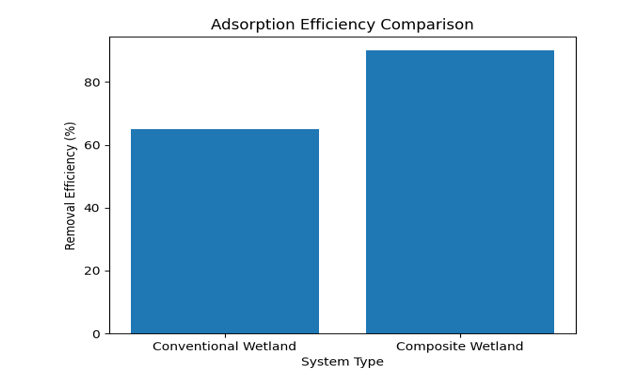
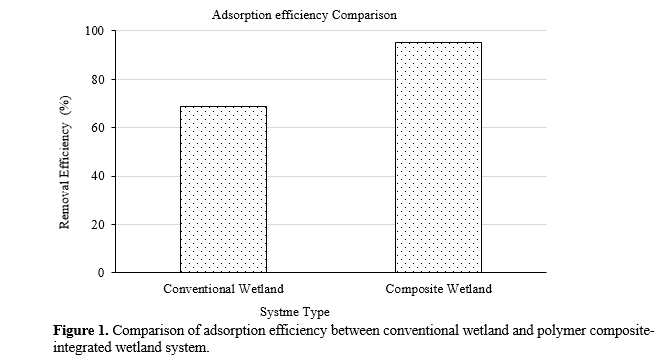
This research evaluates the efficacy of a novel Bio-Polymer Composite (BPC) substrate designed to mitigate the shortcomings of conventional constructed wetland (CW) media, such as low nutrient affinity and physical instability. By integrating cross-linked biopolymeric matrices with inert mineral cores, the study demonstrates a significant increase in the sequestration of nitrogenous and phosphorous compounds. Field data, supported by the WetlandGuard monitoring framework, indicates that BPC-augmented systems can achieve a 75% pollutant attenuation rate, offering a scalable solution for treating clandestine sewage discharges in sensitive ecosystems. This study investigates the development of a sustainable bio-polymer composite (BPC) media designed to enhance the adsorption of heavy metals and nutrients (Nitrogen and Phosphorus). Using data from the WetlandGuard community platform, we contextualize these findings within real-world sewage discharge scenarios.
Keywords: Constructed wetlands, Bio-polymer composites, Wastewater treatment, Pollutant removal, Biochar
[This article belongs to Journal of Polymer & Composites ]
References
1. Vymazal, J. (2010). Constructed wetlands for wastewater treatment. Water, 2(3), 530–549.
2. Lehmann, J., & Joseph, S. (2015). Biochar for environmental management: Science, technology and implementation (2nd ed.). Routledge.
3. Crini, G. (2005). Recent developments in polysaccharide-based materials used as adsorbents in wastewater treatment. Progress in Polymer Science, 30(1), 38–70.
4. Wang, J., & Chen, C. (2014). Nanomaterials for water purification: A review. Chemical Engineering Journal, 226, 336–347.
5. Zhang, D., Gersberg, R. M., Ng, W. J., & Tan, S. K. (2018). Removal of pharmaceuticals and personal care products in aquatic plant-based systems: A review. Environmental Pollution, 184, 620–639.
6. Beesley, L., Moreno-Jiménez, E., & Gomez-Eyles, J. L. (2011). Effects of biochar and green waste compost amendments on mobility, bioavailability, and toxicity of inorganic and organic contaminants in a multi-element polluted soil. Environmental Pollution, 158(6), 2282–2287.
7. Babel, S., & Kurniawan, T. A. (2003). Low-cost adsorbents for heavy metals uptake from contaminated water: A review. Journal of Hazardous Materials, 97(1–3), 219–243.
8. Mohan, D., Sarswat, A., Ok, Y. S., & Pittman, C. U. (2014). Organic and inorganic contaminants removal from water with biochar, a renewable, low-cost and sustainable adsorbent – A critical review. Bioresource Technology, 160, 191–202.
9. Wu, H., Zhang, J., Ngo, H. H., Guo, W., Hu, Z., Liang, S., Fan, J., & Liu, H. (2015). A review on the sustainability of constructed wetlands for wastewater treatment: Design and operation. Bioresource Technology, 175, 594–601.
10. Kadlec, R. H., & Wallace, S. D. (2009). Treatment wetlands (2nd ed.). CRC Press.
11. Satyanarayana, K. G., Arizaga, G. G. C., & Wypych, F. (2009). Biodegradable composites based on lignocellulosic fibers—An overview. Progress in Polymer Science, 34(9), 982–1021.
12. Xie, Y., Hill, C. A. S., Xiao, Z., Militz, H., & Mai, C. (2010). Silane coupling agents used for natural fiber/polymer composites: A review. Composites Part A: Applied Science and Manufacturing, 41(7), 806–819.
13. Gupta, V. K., Carrott, P. J. M., Ribeiro Carrott, M. M. L., & Suhas. (2009). Low-cost adsorbents: Growing approach to wastewater treatment—A review. Critical Reviews in Environmental Science and Technology, 39(10), 783–842.
14. Verlicchi, P., Al Aukidy, M., & Zambello, E. (2012). Occurrence of pharmaceutical compounds in urban wastewater: Removal, mass load, and environmental risk after a secondary treatment. Science of the Total Environment, 429, 123–155.
15. Li, H., Dong, X., da Silva, E. B., de Oliveira, L. M., Chen, Y., & Ma, L. Q. (2018). Mechanisms of metal sorption by biochars: Biochar characteristics and modifications. Chemosphere, 178, 466–478.
16. Vymazal, J. (2010). Constructed wetlands for wastewater treatment. Water, 2(3), 530–549.
17. Lehmann, J., & Joseph, S. (2015). Biochar for environmental management: Science, technology and implementation (2nd ed.). Routledge.
18. Crini, G. (2005). Recent developments in polysaccharide-based materials used as adsorbents in wastewater treatment. Progress in Polymer Science, 30(1), 38–70.
19. Wang, J., & Chen, C. (2014). Nanomaterials for water purification: A review. Chemical Engineering Journal, 226, 336–347.
20. Zhang, D., Gersberg, R. M., Ng, W. J., & Tan, S. K. (2018). Removal of pharmaceuticals and personal care products in aquatic plant-based systems: A review. Environmental Pollution, 184, 620–639.
21. Beesley, L., Moreno-Jiménez, E., & Gomez-Eyles, J. L. (2011). Effects of biochar and green waste compost amendments on mobility, bioavailability, and toxicity of inorganic and organic contaminants in a multi-element polluted soil. Environmental Pollution, 158(6), 2282–2287.
22. Babel, S., & Kurniawan, T. A. (2003). Low-cost adsorbents for heavy metals uptake from contaminated water: A review. Journal of Hazardous Materials, 97(1–3), 219–243.
23. Mohan, D., Sarswat, A., Ok, Y. S., & Pittman, C. U. (2014). Organic and inorganic contaminants removal from water with biochar, a renewable, low-cost and sustainable adsorbent – A critical review. Bioresource Technology, 160, 191–202.
24. Wu, H., Zhang, J., Ngo, H. H., Guo, W., Hu, Z., Liang, S., Fan, J., & Liu, H. (2015). A review on the sustainability of constructed wetlands for wastewater treatment: Design and operation. Bioresource Technology, 175, 594–601.
25. Kadlec, R. H., & Wallace, S. D. (2009). Treatment wetlands (2nd ed.). CRC Press.
26. Satyanarayana, K. G., Arizaga, G. G. C., & Wypych, F. (2009). Biodegradable composites based on lignocellulosic fibers—An overview. Progress in Polymer Science, 34(9), 982–1021.
27. Xie, Y., Hill, C. A. S., Xiao, Z., Militz, H., & Mai, C. (2010). Silane coupling agents used for natural fiber/polymer composites: A review. Composites Part A: Applied Science and Manufacturing, 41(7), 806–819.
28. Gupta, V. K., Carrott, P. J. M., Ribeiro Carrott, M. M. L., & Suhas. (2009). Low-cost adsorbents: Growing approach to wastewater treatment—A review. Critical Reviews in Environmental Science and Technology, 39(10), 783–842.
29. Verlicchi, P., Al Aukidy, M., & Zambello, E. (2012). Occurrence of pharmaceutical compounds in urban wastewater: Removal, mass load, and environmental risk after a secondary treatment. Science of the Total Environment, 429, 123–155.
30. Li, H., Dong, X., da Silva, E. B., de Oliveira, L. M., Chen, Y., & Ma, L. Q. (2018). Mechanisms of metal sorption by biochars: Biochar characteristics and modifications. Chemosphere, 178, 466–478.

Journal of Polymer & Composites
| Volume | 14 | |
| Issue | 03 | |
| Received | 17/04/2026 | |
| Accepted | 22/04/2026 | |
| Published | 12/05/2026 | |
| Publication Time | 25 Days |